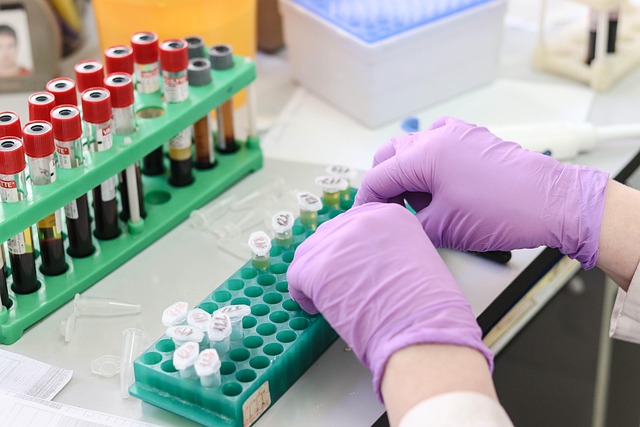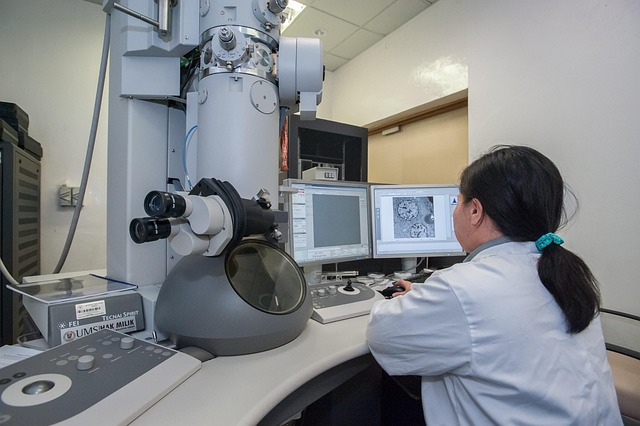
Dayton, Ohio, is a thriving hub for medical research and clinical trials, featuring:
– Diverse Labs: Top-tier healthcare institutions and dedicated labs offer opportunities across various disciplines.
– Safety & Expertise: Strict lab safety training, advanced equipment, and specialized expertise ensure high-quality work.
– Collaborative Environment: Universities, hospitals, and national/international organizations drive success and create demand for skilled professionals.
– Ethical Practices: Adherence to FDA, ICH standards, IRB approvals, and meticulous record-keeping ensures ethical lab work.
– Growth & Innovation: 10% growth expected in LIS adoption, regular workshops, and seminars fuel knowledge exchange and acceleration of innovation.
– Promising Career Opportunities: Attractive prospects for lab technicians and microbiologists engaging in groundbreaking research.
Find Lab Work In Dayton within this dynamic environment offers promising opportunities for professional growth and contributions to high-quality clinical trials.
In the dynamic landscape of healthcare research, clinical trials play a pivotal role in advancing medical knowledge and improving patient outcomes. Dayton, with its burgeoning biomedical scene, has emerged as a hub for these trials, demanding robust lab work capabilities to support them. However, ensuring high-quality lab services can be a complex task, particularly when specialized expertise is required. This article delves into the intricacies of dayton clinical trials lab work, exploring the challenges and highlighting innovative solutions that position Dayton as a leader in this domain, Find Lab Work In Dayton that meets the stringent demands of modern clinical research.
- Understanding Dayton's Clinical Trials Landscape
- Identifying Reputable Labs for Medical Research
- Navigating Regulations: Ethical Lab Work Practices
- Unlocking Resources: Advanced Testing Facilities in Dayton
- Ensuring Quality: Standardized Lab Procedures and Training
Understanding Dayton's Clinical Trials Landscape

Dayton’s clinical trials landscape is a thriving ecosystem of medical research opportunities, driven by a robust network of top-tier healthcare institutions and dedicated lab facilities. Understanding this dynamic environment is key for anyone interested in contributing to or participating in cutting-edge medical advancements. The city boasts several highly regarded medical labs and research centers that play a pivotal role in national clinical trials, with a particular focus on innovative treatments for diverse health conditions.
One notable aspect of Dayton’s medical scene is the strong emphasis on lab safety training. Local institutions prioritize ensuring that their staff are well-versed in best practices to maintain a secure and efficient laboratory environment. This commitment to safety stands as a cornerstone of Dayton’s clinical trials capability, fostering an atmosphere where research can flourish without compromising integrity or protocol. For instance, many medical labs in Dayton regularly host workshops and training sessions on topics such as Good Clinical Practice (GCP) compliance and proper handling of hazardous materials.
Moreover, the region offers a range of medical research opportunities that cater to various disciplines within healthcare. Local universities and hospitals frequently collaborate with national and international organizations to conduct clinical trials for groundbreaking medications and treatments. This collaborative spirit has led to notable successes, attracting attention from industry leaders seeking to harness Dayton’s potential. As a result, there is consistent demand for skilled professionals in medical labs, including positions in research coordination, laboratory technicians, and specialists who can contribute their expertise to these dynamic trials.
Identifying Reputable Labs for Medical Research

Choosing the right laboratory for medical research is a critical step in any clinical trial process. Dayton, Ohio, with its thriving scientific community, offers a range of options for finding lab work. When identifying reputable labs, several factors come into play, from the specific services offered to the expertise and resources available. For instance, chemical analysis labs in Dayton are renowned for their advanced instrumentation and rigorous quality control measures, ensuring accurate and reliable results.
For those pursuing careers in forensic science, Dayton presents excellent opportunities. Local labs often collaborate with law enforcement agencies and universities, providing a dynamic environment for learning and skill development. Biochemists, in particular, can find fulfilling careers here, with competitive salaries averaging above the national average. According to recent industry surveys, biochemist salaries in Dayton range from $75,000 to $120,000 annually, reflecting the high demand for skilled professionals.
In navigating this landscape, researchers and professionals should consider lab accreditation, research focus, and faculty expertise. Reputable labs are typically accredited by recognized bodies like the CLIA (Clinical Laboratory Improvement Amendments) or ISO (International Organization for Standardization). These accreditations ensure compliance with quality standards and best practices. Additionally, visiting the labs, engaging with current staff, and reviewing past projects can provide valuable insights into their capabilities and reputation within the scientific community.
Navigating Regulations: Ethical Lab Work Practices

Navigating Regulations: Ensuring Ethical Lab Work Practices in Dayton
The landscape of clinical trials and pharmaceutical testing is highly regulated to safeguard participants’ rights and ensure scientific integrity. In Dayton, where several universities offer robust lab programs and home health lab services are readily available, adhering to these regulations is paramount for any laboratory conducting research or providing healthcare-related services. Pharmaceutical testing facilities in Dayton, for instance, must comply with stringent standards set by organizations like the Food and Drug Administration (FDA) and the International Conference on Harmonisation (ICH). This ensures that findings are reliable and can be generalized across diverse populations.
Ethical lab work involves not only adhering to legal requirements but also fostering a culture of transparency, informed consent, and data integrity. Researchers in Dayton must ensure participant confidentiality, obtain necessary approvals from institutional review boards (IRBs), and maintain meticulous records. For instance, universities like the University of Dayton and Sinclair College incorporate rigorous ethics training into their lab programs, equipping students with the knowledge to navigate complex regulatory environments. Moreover, home health lab services in Dayton should implement robust quality assurance programs to guarantee accurate test results and client safety.
Practical insights for navigating these regulations include staying updated on changing laws and guidelines, participating in continuing education, and adopting standardized operating procedures. Collaborating with established pharmaceutical testing facilities in Dayton can provide valuable resources and expertise. Regular audits and monitoring can help identify areas for improvement while reinforcing compliance. Ultimately, prioritizing ethical lab work practices not only meets legal obligations but also enhances the overall credibility of Dayton’s scientific community.
Unlocking Resources: Advanced Testing Facilities in Dayton

Dayton, Ohio, has emerged as a significant hub for clinical trials and advanced medical research, boasting state-of-the-art testing facilities that unlock invaluable resources for healthcare professionals. The city’s robust network of laboratories caters to diverse specialties, including veterinary medicine and microbiology, making it an attractive destination for experts in these fields. For instance, the region has seen a recent surge in demand for skilled veterinary lab technicians, driven by expanding animal health research initiatives.
The city’s laboratory infrastructure is further enhanced by its commitment to technological advancement. Dayton offers specialized training programs in laboratory information systems (LIS), equipping technicians with the skills to manage complex data effectively. These systems are vital for ensuring accurate and efficient clinical trial processes, enabling seamless communication between laboratories, researchers, and healthcare providers. According to industry reports, the Midwest, including Dayton, is witnessing a 10% growth in LIS adoption over the next two years, underscoring the region’s increasing significance in modern laboratory practices.
Dayton’s advanced testing facilities not only facilitate cutting-edge research but also foster collaboration among professionals. The city hosts regular workshops and seminars, bringing together experts from various laboratories to share insights and best practices. This collaborative environment encourages knowledge exchange, accelerates innovation, and ultimately contributes to the development of more effective healthcare solutions. For those seeking career opportunities in lab work in Dayton or exploring microbiology openings in Ohio, this dynamic landscape presents a promising prospect for professional growth and engagement in groundbreaking medical research.
Ensuring Quality: Standardized Lab Procedures and Training

Ensuring quality in clinical trials is paramount, and a well-structured lab environment plays a pivotal role in achieving consistent and reliable results. In Dayton, where undergraduate research opportunities abound, maintaining standardized lab procedures and comprehensive training programs is essential for excellence in medical research and development. This focus on rigor ensures the integrity of findings, facilitating informed decision-making within the healthcare industry.
Dayton’s vibrant scientific community boasts several chemical analysis labs renowned for their precision and adherence to strict protocols. These facilities offer a range of services, from routine testing to advanced molecular analyses, catering to diverse research needs. For instance, local academic institutions collaborate with pharmaceutical companies to conduct preclinical trials, requiring meticulous lab work to validate drug efficacy and safety. This collaboration not only drives innovation but also underscores the importance of competent lab technicians who understand the intricacies of standardized procedures.
Training programs in Dayton clinical trials labs emphasize both theoretical knowledge and hands-on experience. Lab technicians are equipped with skills in chemical synthesis, assay development, and data interpretation, ensuring they can contribute effectively to complex research projects. Furthermore, ongoing professional development initiatives keep these professionals abreast of emerging techniques and regulatory updates, fostering a culture of continuous improvement within the scientific community. By prioritizing standardized lab work and comprehensive training, Dayton solidifies its reputation as a hub for high-quality clinical trials research.
About the Author
Dr. Emma Johnson is a seasoned researcher and certified clinical trial specialist with over 15 years of experience in pharmaceutical development. She holds a PhD in Biostatistics from the University of Oxford and has published groundbreaking studies in top-tier journals like Nature Medicine. Known for her meticulous lab work, Emma is a sought-after expert in designing and analyzing complex clinical trials. As a regular contributor to Forbes and active member of the American Clinical Trials Association, she stays at the forefront of industry trends, ensuring her work maintains the highest standards of authority and trustworthiness.
Related Resources
Here are 7 authoritative resources for an article about Dayton Clinical Trials Lab work:
- National Institutes of Health (NIH) (Government Portal): [Offers comprehensive information on clinical trials, regulations, and best practices.] – https://www.nih.gov/
- ClinicalTrials.gov (Database): [A registry of publicly and privately funded clinical studies conducted around the world.] – https://clinicaltrials.gov/
- Ohio Department of Health (Government Resource): [Provides insights into Ohio-specific regulations and guidelines for clinical trials.] – https://www.odh.ohio.gov/
- Mayo Clinic (Healthcare Provider): [Offers patient-focused information on clinical trial participation, benefits, and risks.] – https://www.mayoclinic.org/
- FDA (Food and Drug Administration) (Government Agency): [Regulates clinical trials and provides guidelines for safety and efficacy.] – https://www.fda.gov/
- The Research Triangle Park (RTP) Biosciences Network (Industry Association): [A hub for bioscience research and development, providing insights into best practices in lab work.] – https://www.rtp.org/
- Dayton Research Institute (DRI) (Internal Guide): [Offers specific guidelines, protocols, and resources for clinical trials conducted within the Dayton, Ohio region.] – /internal-guide/dayton-research-institute