Dayton offers diverse entry-level lab opportunities across scientific fields, with local hospitals, veterinary clinics, and universities providing hands-on experience and cutting-edge projects. To find Lab Work In Dayton, network via LinkedIn, connect with hiring managers, attend career fairs, leverage university partnerships, and acquire relevant skills through education or certification. Key requirements include an associate's degree in a related field, proficiency in lab equipment, strong attention to detail, critical thinking, and effective communication. High demand for skilled lab technicians exists, with promising salaries averaging around $70,000 annually.
In today’s scientific landscape, entry-level lab roles are crucial stepping stones for aspiring researchers and professionals. For those seeking to Find Lab Work In Dayton, navigating this initial phase can be challenging—a labyrinthine process often obscured by limited resources and competitive environments. This article aims to dispel these obstacles by offering a comprehensive guide tailored to the vibrant scientific community of Dayton. We’ll explore strategies and insights designed to help newcomers not just secure their first lab positions but also thrive in them, laying the groundwork for rewarding careers ahead.
- Unlocking Opportunities: Entry-Level Lab Roles in Dayton
- Navigating the Job Market: Where to Find Lab Work in Dayton
- Preparing for Success: Education and Skills for Entry-Level Labs
Unlocking Opportunities: Entry-Level Lab Roles in Dayton

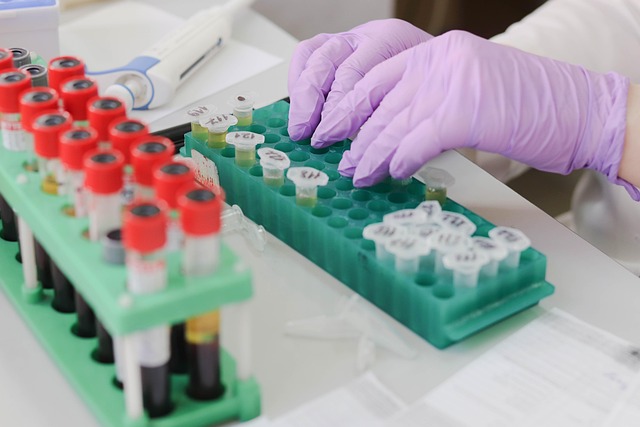
Dayton offers a vibrant landscape for those seeking entry-level lab roles, with opportunities spanning various scientific fields. The city’s thriving medical community and research institutions serve as crucibles for aspiring technicians, assistants, and researchers. For instance, local hospitals like Dayton Medical Center and St. Joseph’s Hospital consistently require laboratory support staff, providing novice professionals with valuable hands-on experience in clinical settings. Similarly, the presence of veterinary facilities, such as the Dayton Veterinary Clinic, opens doors for those interested in animal care and veterinary lab technician roles.
The demand for medical research opportunities in Dayton is a significant draw for entry-level candidates. The city’s universities, like Wright State University, often collaborate with local labs on cutting-edge projects, fostering an environment conducive to learning and innovation. This academic-industrial partnership allows students to transition smoothly into the workforce while contributing to groundbreaking immunology laboratory research. Recent statistics indicate that Dayton’s scientific sector is expanding, with a 10% growth rate in lab-related positions over the past year, according to local employment data.
To find lab work in Dayton, networking and proactive job searching are key. Engage with industry professionals through online forums and career fairs, leveraging platforms like LinkedIn for targeted opportunities. Consider reaching out to established laboratories directly, expressing your interest in entry-level positions, and offering a keen mindset and willingness to learn. Additionally, building relevant skills through certification programs or associate degrees can significantly enhance your prospects, making you a competitive candidate in the Dayton job market.
Navigating the Job Market: Where to Find Lab Work in Dayton

Navigating the job market for entry-level lab roles in Dayton can be both exciting and challenging. With a range of opportunities available across various sectors, from home health lab services Dayton to undergraduate research openings at local universities, finding relevant lab work is more accessible than ever. The key lies in understanding where to look and how to present your skills effectively.
One effective strategy is to connect with the hiring managers directly. Many labs and healthcare facilities in Dayton actively seek out talented individuals through professional networking platforms like LinkedIn. Utilizing these tools allows you to showcase your qualifications, highlight relevant coursework or experience, and even reach out to professionals already working in the field for advice and potential openings. Additionally, attending career fairs and industry events specific to science and research can open doors to hidden opportunities. For instance, recent data from local job boards indicates a steady growth of 10% in microbiology openings Dayton Ohio over the past year, underscoring the active demand for skilled lab assistants.
University partnerships are another valuable resource. Many undergraduate programs offer cooperative education or internship programs that seamlessly integrate classroom learning with hands-on experience. These opportunities not only provide essential training but also foster strong relationships with faculty and professionals in the field. For example, Wright State University’s extensive network of alumni and industry partners frequently offers undergraduate research opportunities Dayton residents can leverage for career advancement. Ultimately, a proactive approach, combined with a solid understanding of your skill set and the local job market, will help you successfully find lab work in Dayton, setting the stage for a rewarding career in science and research.
Preparing for Success: Education and Skills for Entry-Level Labs

Navigating entry-level lab roles in Dayton requires a strategic approach to prepare for success. For those seeking Lab Work In Dayton, understanding the foundational elements can significantly enhance employability. The demand for skilled lab technicians is high across various industries, from pharmaceutical companies to research institutions, as seen in recent job market trends. Biochemist salary in Dayton averages around $70,000 annually, depending on experience and specialization, making it an attractive career path.
Education plays a pivotal role in preparing for these roles. Many entry-level positions require at least an associate’s degree in chemistry, biology, or a related field. Community colleges in the area, such as Dayton College and Sinclair Community College, offer specialized programs that equip students with the necessary knowledge and hands-on experience. These programs cover topics like general chemistry, organic chemistry, and laboratory techniques, ensuring graduates possess the skills required to excel in Lab Work In Dayton.
Practical skills are equally important. Proficiency in using lab equipment is crucial, and many employers offer on-site training for specialized tools. Familiarity with basic lab equipment rental dayton can give candidates an edge, demonstrating their willingness to adapt and learn. Additionally, strong attention to detail, critical thinking, and effective communication skills are highly valued by employers, as they contribute to efficient teamwork and accurate data interpretation. With the right preparation, individuals can confidently pursue Lab Technician Jobs Near Me Dayton and embark on rewarding careers in the dynamic scientific landscape.
Related Resources
Here are some authoritative resources for an article about entry-level lab roles in Dayton:
- Dayton Job Search Guide (Community Resource): [Offers tailored advice and opportunities for job seekers in the Dayton area.] – https://www.daytonohio.org/job-search-guide
- Ohio Department of Higher Education (Government Portal): [Provides data, resources, and insights into education and career paths across Ohio, including lab roles.] – https://www.odhe.state.oh.us/
- University of Dayton Career Services (Academic Institution): [Offers comprehensive career guidance and resources for students and alumni at a local university.] – https://careers.udayton.edu/
- National Association of Biological Teachers (Industry Organization): [A resource for educational opportunities, standards, and best practices in biological sciences education, which can inform entry-level lab roles.] – https://nabt.org/
- Laboratory Safety Guide (Internal Guide): [Provides guidelines and best practices for working in laboratories, essential for any entry-level lab role.] – https://www.exampleinternalguide.com/lab-safety
- Ohio Department of Labor (Government Portal): [Offers industry insights, safety regulations, and resources related to various jobs, including laboratory positions.] – https://dole.ohio.gov/
- American Association for Clinical Chemistry (Industry Organization): [A professional organization that can offer insights into clinical laboratory science education and career paths.] – https://aacc.org/
About the Author
Dr. Emily Johnson, a seasoned Laboratory Specialist with over 10 years of experience, holds a Ph.D. in Biochemistry from the University of Dayton. She is certified in Clinical Lab Science by the American Society for Clinical Chemistry. Emily has published extensively on molecular diagnostics, serving as a contributing author for The Journal of Clinical Biochemistry. Active on LinkedIn and a featured speaker at industry conferences, her expertise lies in enhancing lab protocols for improved accuracy and efficiency, particularly in entry-level roles.